
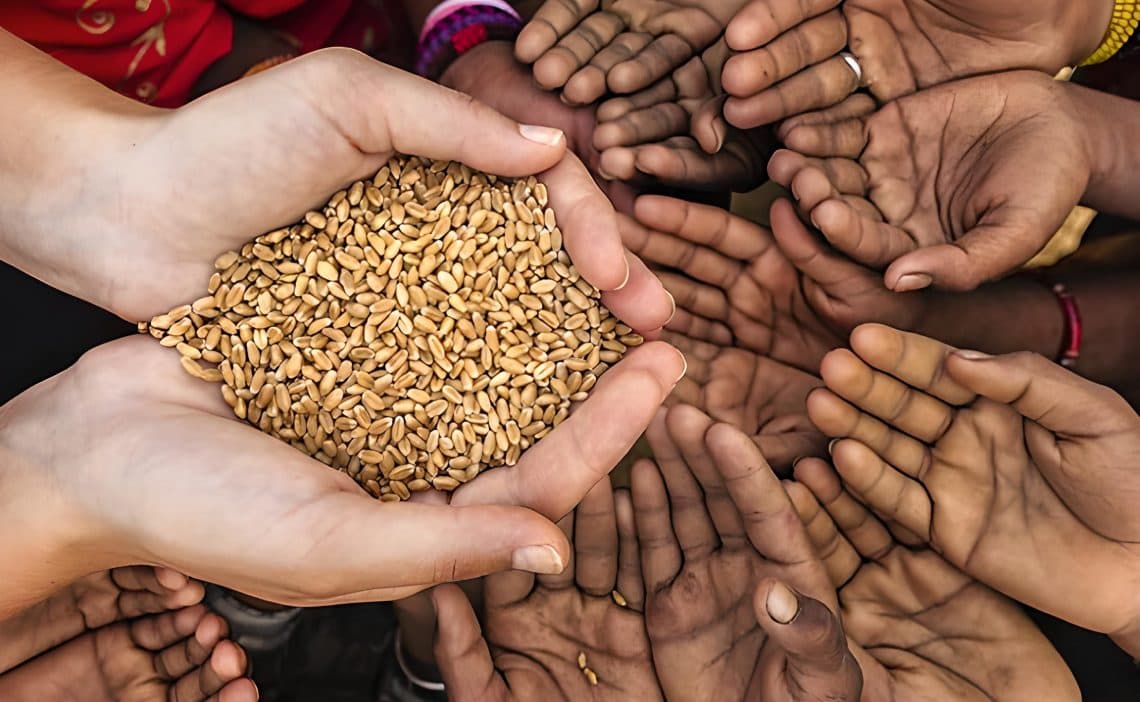
Zakat, one of the five pillars of Islam, is an act of worship that commands Muslims of sufficient means to give a certain portion of their wealth to people in need.
Zakat, one of the five pillars of Islam, is an act of worship that commands Muslims of sufficient means to give a certain portion of their wealth to people in need. Zakat is not merely an act of charity; it is an important act of worship that maintains social balance, supports economic justice and purifies the individual of the love of wealth.
By paying zakat regularly, a Muslim of sufficient means both fulfils a religious obligation and strengthens solidarity within society. Zakat purifies wealth, increases its blessings and brings spiritual peace to the giver by cleansing them of miserliness.
🔹 According to Islam, zakat is an act of worship whereby Muslims who possess a certain amount of wealth must give one-fortieth (2.5%) of their wealth to people in need.
🔹 To be obligated to pay zakat, a person must possess a minimum amount of wealth known as the nisab. The nisab is owning 80.18 grams of gold, or goods or money of equivalent value.
🔹 For zakat to be obligatory, the wealth must be free of basic needs and debts. In other words, if a person still has savings equal to the nisab after paying off their debts and meeting their basic needs, they must pay zakat.
📌 Who Is Obligated to Pay Zakat? ✅ Being Muslim ✅ Owning wealth equal to the nisab amount ✅ One lunar (Hijri) year (354 days) having passed over the wealth ✅ Possessing a certain amount of wealth free of debts
In the Holy Qur'an, verse 60 of Surah At-Tawbah clearly sets out the eight categories of people to whom zakat may be given:
The Poor (Fuqara): People who have no income at all or who struggle to meet their basic needs.
The Needy (Masakin): People in an even more difficult situation than the poor, who are unable to earn a living.
Zakat Collectors: Those appointed by the state to collect zakat.
Those Whose Hearts Are to Be Reconciled (Mu'allafat al-Qulub): People who have newly embraced Islam and whose hearts need to be drawn closer to it.
Slaves and Captives: Prisoners who must pay a ransom to gain their freedom, or slaves in debt.
Those Striving in the Way of Allah: People who make efforts to spread and protect Islam.
Wayfarers: People who have run out of money while travelling and are unable to return home.
📌 Zakat is not given to first-degree relatives such as one's mother, father, grandparents, children or grandchildren, because caring for them is already the person's responsibility.
Zakat can be paid on different types of wealth, and each has its own method of calculation:
🔹 Gold and Silver: If you own 80.18 grams of gold or silver, the nisab amount, you must give 2.5% of it as zakat.
🔹 Cash and Bank Accounts: Like gold and silver, money is also subject to zakat. If your cash, foreign currency or bank deposits exceed the nisab amount, zakat at a rate of 2.5% must be paid once a year has passed over them.
🔹 Trade Goods: Goods purchased for the purpose of sale are subject to zakat. The total value of the trade goods is calculated and 2.5% of it is given as zakat.
🔹 Agricultural Produce: The zakat rate on crops varies according to the method of irrigation.
For crops watered by rain or river water, zakat must be paid at a rate of 10%.
For crops irrigated through human labour, zakat is due at a rate of 5%.
🔹 Livestock: Zakat must also be paid on animals such as camels, cattle and sheep once they reach a certain number.
🔹 Real Estate and Rental Income: Zakat is paid on rental income earned from real estate held not for personal use but for generating income.
📌 Homes, cars, basic household items and personal belongings are not subject to zakat. However, if they are bought and sold for trade, zakat must be paid on them.
📌 Zakat has no fixed time, but it is generally preferred to pay it during the month of Ramadan. Since Ramadan is a month in which rewards are multiplied many times over, Muslims aim to do more good by paying their zakat during this month.
📌 Since zakat is due on wealth that has completed a full year, it should not be delayed. If a Muslim who is liable for zakat delays it, the zakat becomes a debt that accumulates upon them.
📌 Zakat does not have to be paid all at once. It may also be given to people in need in instalments throughout the year. However, fulfilling it as soon as possible is considered more virtuous.
Calculating the correct amount of zakat can be confusing for many people. As the Valide Humanitarian Aid Association, we have developed a dedicated zakat calculator so that you can calculate your zakat easily and quickly. With this system, you can find out your zakat amount based on the assets you own and make a donation securely to deliver it to people in need.
💙 Calculate your zakat now and bring a smile to the face of someone in need!