 Emergency Relief
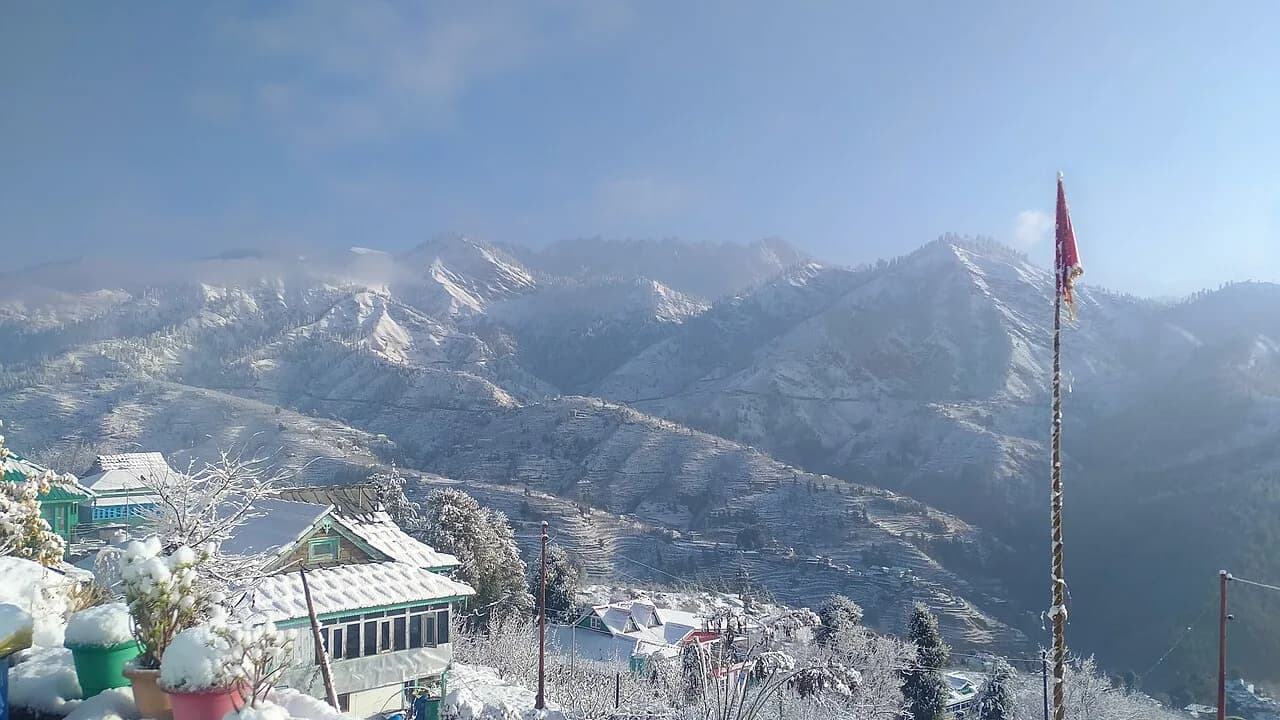
A Night in the Snowy Village
We had to arrive before the snow closed the roads: winter packages for 40 households in a single night.
From the field teamRead
Education, winter relief and Ramadan support
Syria is a Middle Eastern country located on the Eastern Mediterranean coast; its capital is Damascus. According to World Bank and UN data, its population in 2025 was approximately 25.6 million; Muslims account for 94% (Pew, 2020), and the official language is Arabic. Following the change of government in December 2024, the country is in a transition process; although the overall intensity of the conflict has decreased, local clashes took place in 2025 in the southern and coastal governorates, in Aleppo and in the north-east. According to the World Bank, per capita national income fell to US$830 in 2024; one in four Syrians lives in extreme poverty, and two thirds of the population remain below the lower-middle-income poverty line. In the UNDP 2025 report, Syria ranks 162nd out of 193 countries.
More than fourteen years of crisis have made Syria one of the countries with the largest displaced populations in the world: there are more than 5.5 million internally displaced persons in the country. Returns have accelerated; in 2025, 1.5 million internally displaced persons returned home and 696 camps closed, and UNHCR reported that approximately 1.4 million refugees returned in the same year. However, damaged housing, inadequate services and livelihood difficulties persist in areas of return, and at least 6.2 million people need shelter repairs. According to the 2025 Food Security Assessment, 13.3 million people are food insecure, 7.2 million of them at acute levels; according to FAO, the most severe drought in approximately 40 years has affected 95% of rain-fed crops. Explosive remnants of war caused the deaths of 606 civilians between 8 December 2024 and 31 December 2025. The February 2023 earthquakes affected more than 8.8 million people in the country, and approximately 5,800 people lost their lives.
The number of people with limited access to water and sanitation services reaches up to 12 million; at least 70% of camps have no piped water, and low water levels in the Euphrates reduced access to water for more than 5 million people in 2025. The under-five mortality rate was 18.4 deaths per 1,000 live births in 2024 (UN IGME). According to the 2025 nutrition survey, acute malnutrition rose to 5.5% (1.7% in 2019), approximately 587,000 children came to need treatment, and stunting reached 17.1%. Approximately 32% of children are out of school or attend irregularly, and more than 8,000 schools (30%) cannot be used. Only 57% of hospitals are fully functional.
According to the 2026 Humanitarian Needs and Response Plan, 15.6 million people are in need of humanitarian assistance; 8.6 million people are targeted and US$2.92 billion is requested. According to FTS data, 34.4% of requirements had been met as of 10 November 2026. The priorities are clean water and sanitation in drought-affected areas, food and livelihood support, repair of damaged housing, restoring health services to operation, and bringing the children of returning families into education.
Sources: UN OCHA; UNHCR; FAO; ACAPS; UN IGME; World Bank; UNDP; Pew Research Center; UN FTS. Data: 2020–2026.
In Syria our work is carried out along the Idlib–Aleppo line. The need in the region is concentrated both in lasting services and in seasonal relief.
In the field of education, the renovation of a primary school in Idlib has been completed and the school has been brought back into service. During the winter months blankets were distributed in Aleppo, and in the month of Ramadan iftar meals and food packs were distributed.
Work in the region is planned according to the season and to the need on the ground.
Emergency ReliefWe had to arrive before the snow closed the roads: winter packages for 40 households in a single night.